
NAS Motherboards
Building a NAS or home server from scratch demands a motherboard that supports multiple storage drives, high-speed networking, and continuous 24/7 operation without becoming the thermal or reliability bottleneck in your setup. TOPTON NAS Motherboards deliver exactly that with Intel N-series and Core platforms, integrated 10G SFP ports, and multi-drive SATA and NVMe configurations engineered for Proxmox, TrueNAS, and Unraid deployments from a trusted brand. Order at the best price from the official store and build your ideal storage platform today.
TOPTON NAS Motherboards • 10G SFP NAS Official Store
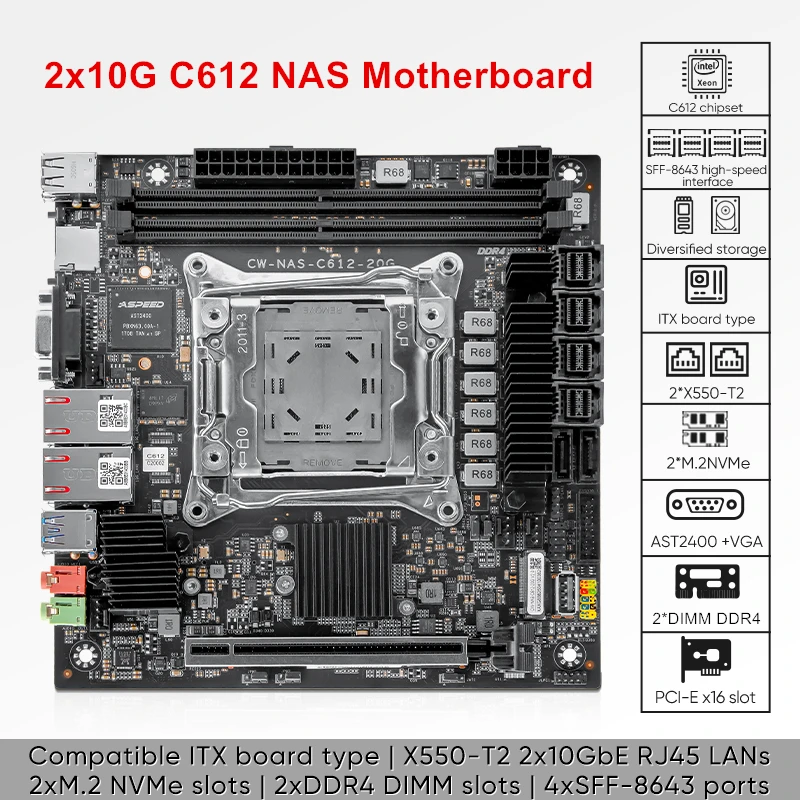
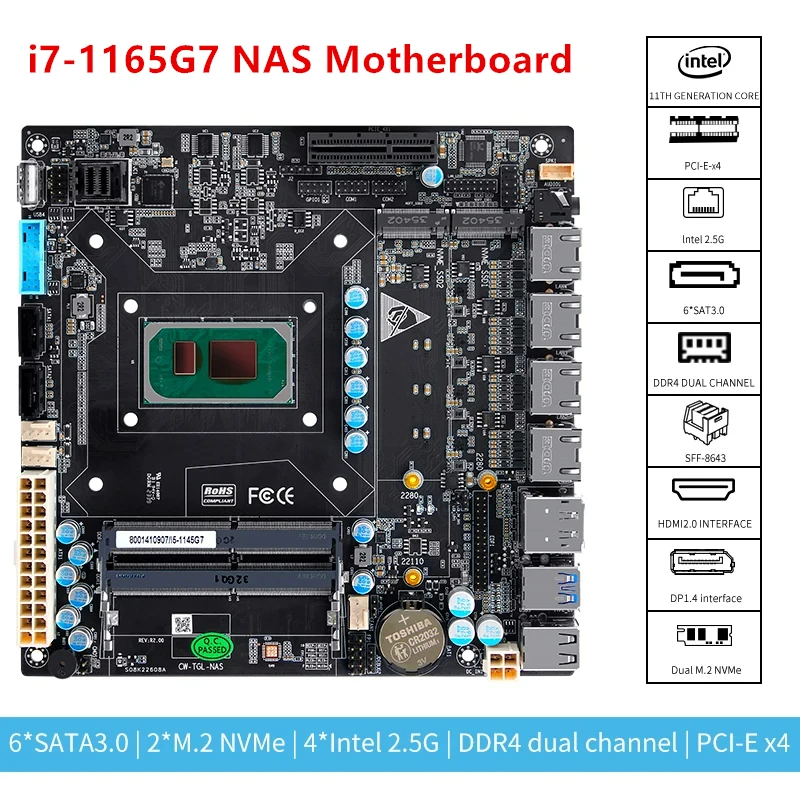
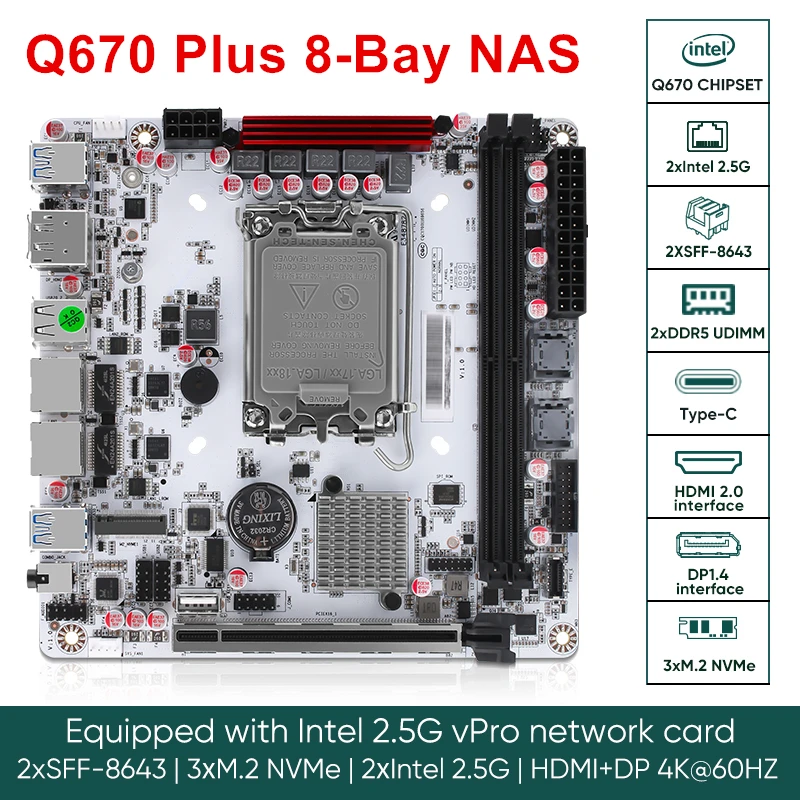
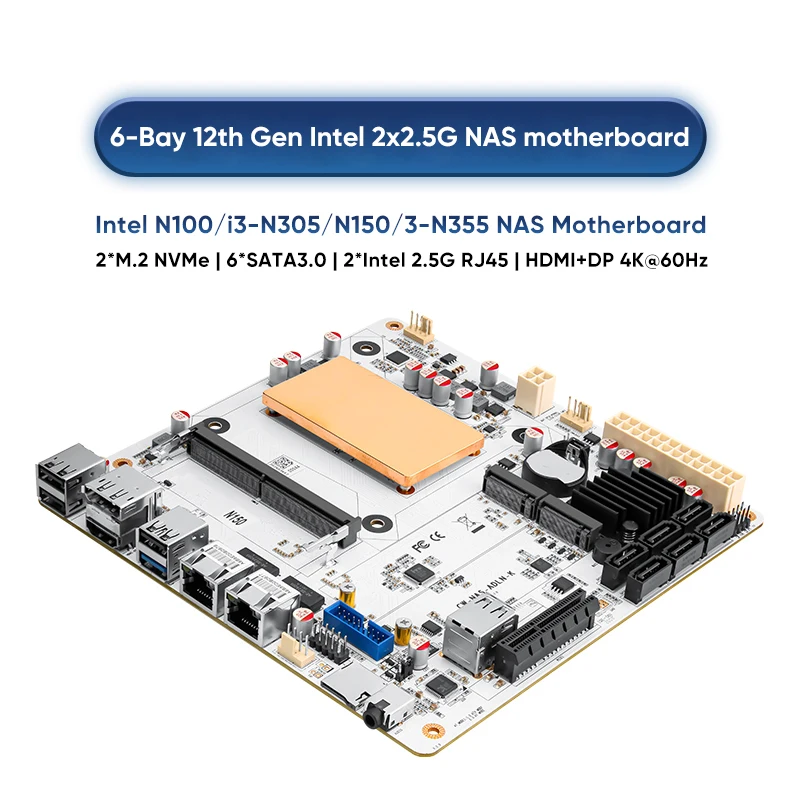
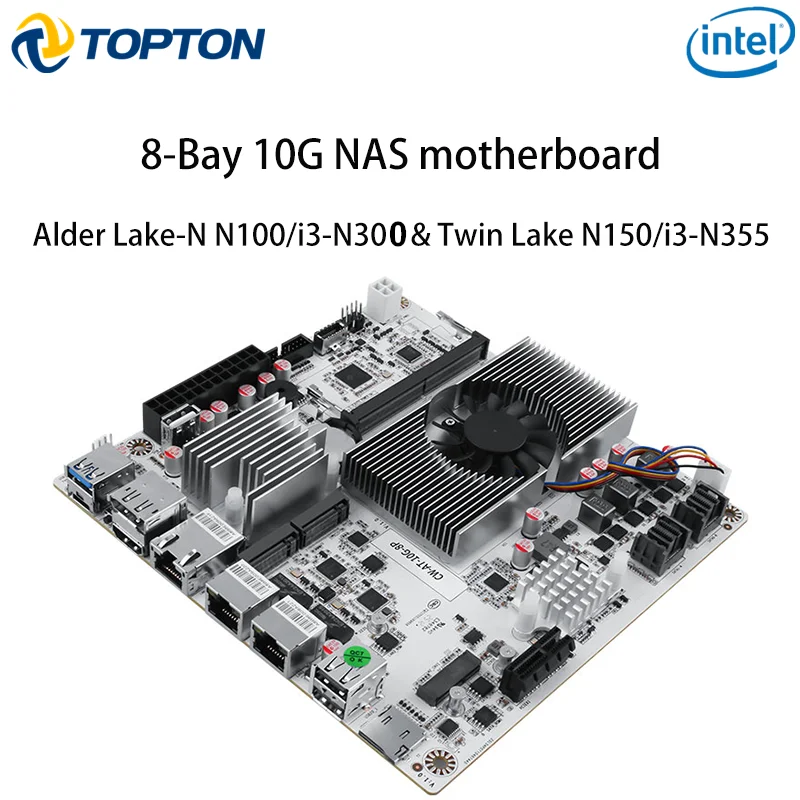
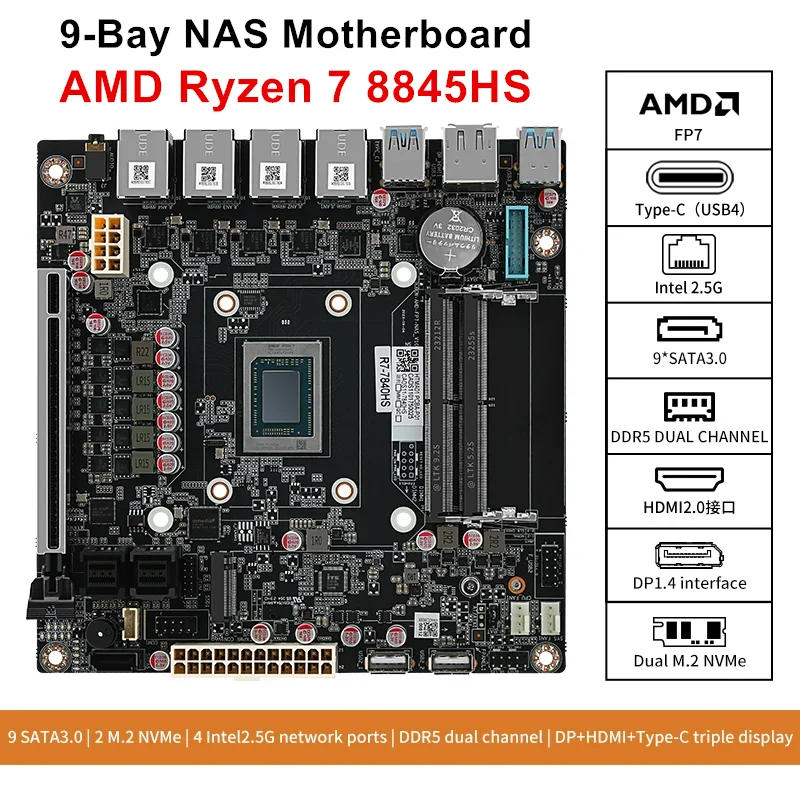
TOPTON NAS Motherboards are purpose-designed for builders who need a reliable, high-throughput storage platform rather than a repurposed desktop board with a SATA expansion card bolted on as an afterthought. Each board integrates between four and eight SATA III ports natively, eliminating the controller latency and driver complexity that plague add-in HBA cards under certain Linux kernels. Onboard 10G SFP ports on select models deliver fibre or direct-attach copper connectivity at full line rate, which matters when you are streaming 4K media to multiple clients or backing up terabytes over a LAN segment. Intel N-series SoCs on the low-power variants consume under 10 W at idle, making always-on NAS operation genuinely cost-effective over a three-year deployment horizon. ECC memory support on compatible models protects file system integrity against silent data corruption, a documented requirement for ZFS-based TrueNAS deployments handling irreplaceable data. All boards support standard mini-ITX or thin mini-ITX form factors, fitting commercially available NAS chassis without modification. This product line serves home server builders, homelab enthusiasts, and small business storage administrators who want professional-grade storage infrastructure without enterprise pricing.
10G SFP Networking and Multi-Drive Storage Architecture
The 10G SFP NAS connectivity on flagship models uses Intel or Realtek 10-gigabit controllers with proven Linux driver support across kernel versions 5.15 and newer, which matters practically when you are running TrueNAS SCALE or Proxmox with Ceph storage. SFP caging accepts both single-mode and multi-mode transceivers as well as direct-attach copper cables, giving you flexibility to match whatever fibre or copper infrastructure you already have in place. Native SATA port counts of six or eight mean you can populate a six-bay NAS chassis to full capacity without any additional controller card, keeping the HBA driver stack clean and the IRQ map simple. M.2 NVMe slots — typically two per board — support ZFS SLOG and L2ARC cache drives that dramatically improve synchronous write performance and read cache hit rates on spinning-disk arrays. The PCIe slot on most models accepts a 10GbE or 25GbE add-in card if you need to scale network throughput further as your storage grows. Power delivery circuitry is rated for continuous operation under full SATA bus load, not just peak burst, which is the measurement that actually matters for 24/7 NAS workloads. Corrosion resistant materials on port connectors and slot housings extend board service life in the slightly elevated humidity environments common in server closets and garage homelabs.
Why These Boards Outperform Repurposed Desktop Alternatives
Standard desktop motherboards are designed for intermittent consumer workloads and typically carry warranty language that excludes 24/7 continuous operation — a practical concern when your NAS runs every hour of every day. This is a trusted brand that engineers each NAS board specifically for sustained storage workloads, with VRM configurations and capacitor ratings validated for continuous rather than peak duty cycles. Competing generic boards frequently omit wake-on-LAN, IPMI headers, or serial console access, all of which become critical when your NAS is mounted in a remote closet and needs remote management. BIOS options on these boards include drive spin-down timers, scheduled power-on, and PXE boot support — features that desktop firmware omits because consumer users never need them. Independent thermal logging during sustained all-drive SATA write tests shows processor temperatures stabilising under 75 degrees Celsius with a standard 60 mm case fan, well within the 100-degree Celsius throttle threshold. The compact form factor means the board fits in 2U rackmount chassis as easily as in desktop tower cases, giving you infrastructure flexibility as your homelab grows. When you compare the total cost of a purpose-built NAS board against a desktop board plus HBA card plus 10GbE card, the integrated approach is consistently lower in both price and configuration complexity.
How to Select the Right NAS Motherboard for Your Build
Start by counting your intended drive population: a four-drive build running RAID-Z1 needs at minimum four native SATA ports, while an eight-drive RAID-Z2 array requires a board with six to eight ports to leave room for a cache drive. Processor tier selection depends on your transcoding load — an Intel N100 or N150 handles SMB file sharing and light Plex Direct Play without breaking a sweat, while an N305 or Core i3 variant is the right choice if you plan to transcode two or more 1080p streams simultaneously. Memory capacity should be matched to your ZFS ARC target: allocate 1 GB of RAM per terabyte of usable storage as a practical starting guideline, with 16 GB as the sensible minimum for any production NAS build. If your network infrastructure already runs 10G SFP, select a board with the integrated 10G SFP NAS port to avoid the cost and slot consumption of an add-in card. Confirm OS compatibility before ordering — all boards in this range are validated against TrueNAS SCALE, Unraid, and Proxmox VE with documented driver notes available on the product pages. Choose a chassis with adequate drive bay spacing and airflow to keep hard disk temperatures below 45 degrees Celsius during sustained writes, which has the single largest impact on drive longevity in any NAS build. Shop now through the official store to access the full specification sheets, compatibility matrices, and the best price on each model with direct support available after your purchase.